
Dramatic Changes Signal a ‘New Arctic”
- Norton Bay Watershed Council

- Mar 31, 2020
- 1 min read
March 31, 2020

Scientists from multiple agencies, working collaboratively to supply data to the Arctic Integrated Ecosystem Research Program, are detecting rapid changes in the Bering and Chukchi Seas. These changes are driven by abnormally high water temperatures and loss of sea ice (on par with climate predictions for 2040), and include high numbers of Pacific cod and pollock expanding into Arctic waters, higher concentrations of harmful algal blooms, and a sea bird die-off that began in 2014 impacting puffins, common murre and, most recently, short-tailed shearwaters. At the base of the food web, larger, high-fat copepods are declining while smaller, copepods with a lower-fat content are flourishing. This means less nutrition for Arctic cod, while, at the same time, more competition for these resources as pollock expand their range northward.
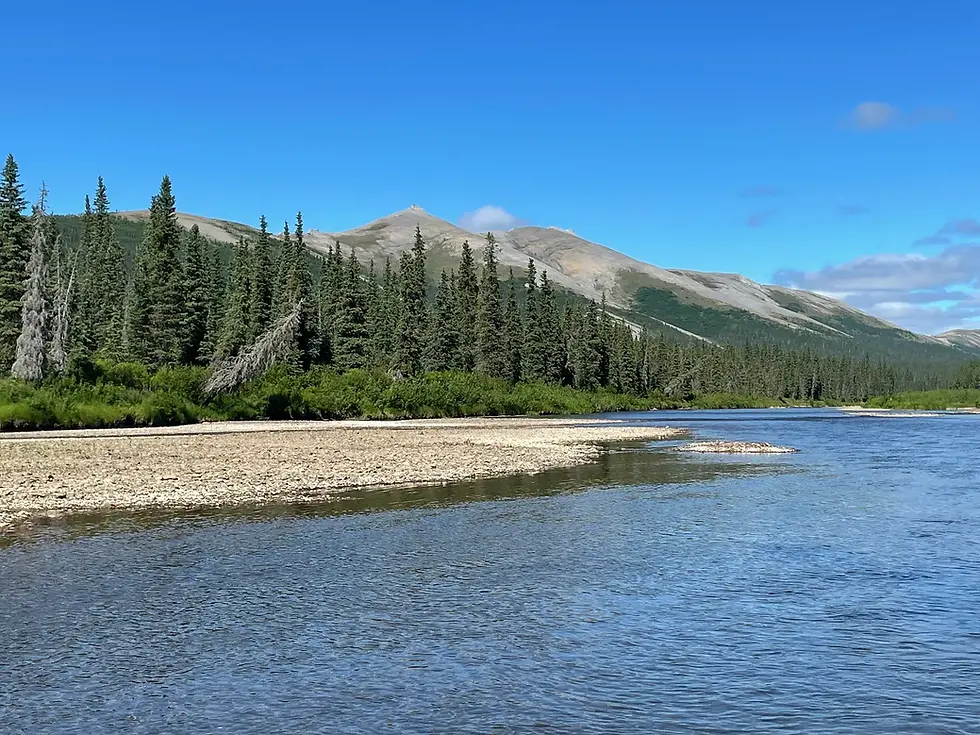
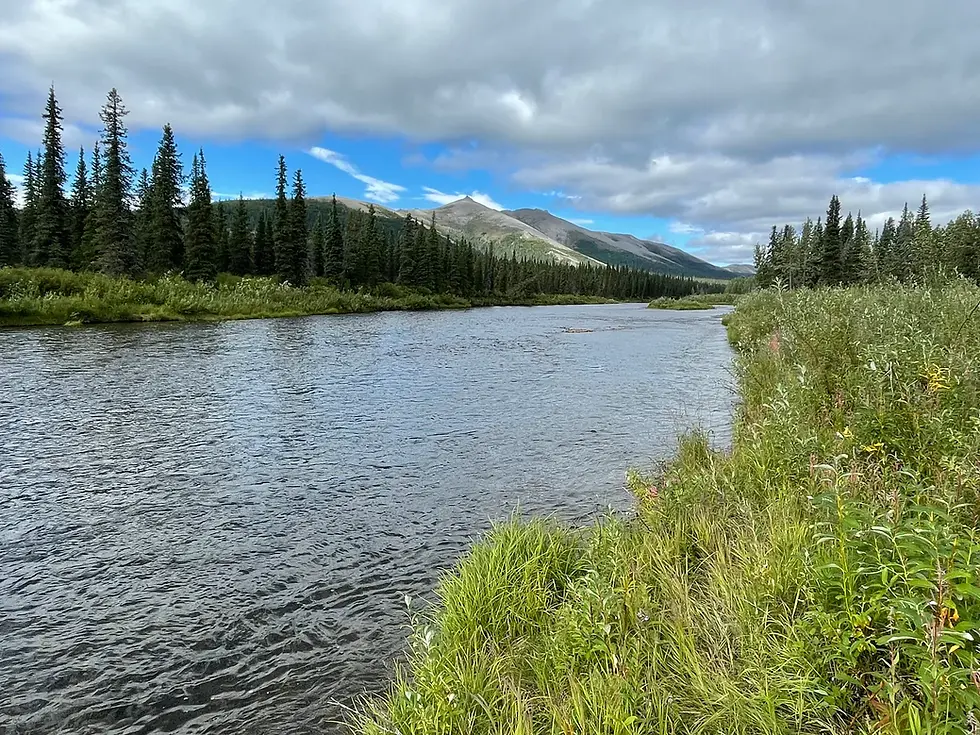
But these troubling changes are not limited to ocean waters in the north. Inland, freshwater rivers in the Arctic are overheating. Record-warm temperatures in July, 2019 caused heat stress and a mass die-off in returning, pre-spawned salmon.
Read more.



Comments