Subsistence Resources in the Norton Bay Watershed
Climate Change Threatens Tribe's Subsistence Lifestyle
The traditional subsistence fishing and hunting practices of Native Villages in the Norton Bay watershed area are under threat due to climate change and industrial development. This not only endangers their economy and water rights but also poses a serious threat to their way of life.
What is Subsistence?
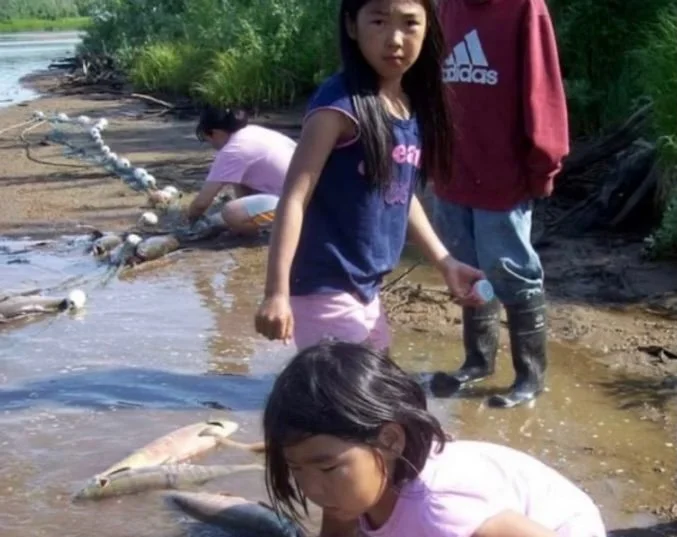
Subsistence is defined in Alaska state laws as the “noncommercial customary and traditional uses” of fish and wildlife.
- Alaska Department of Fish & Game
Save Our Salmon
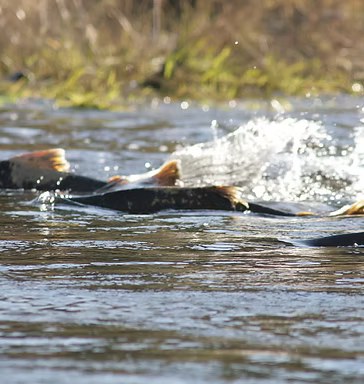
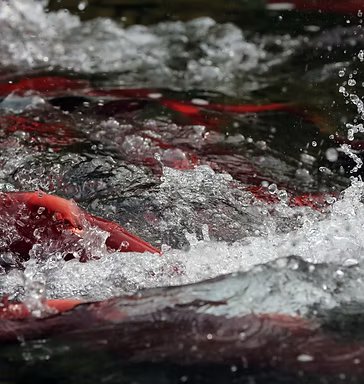
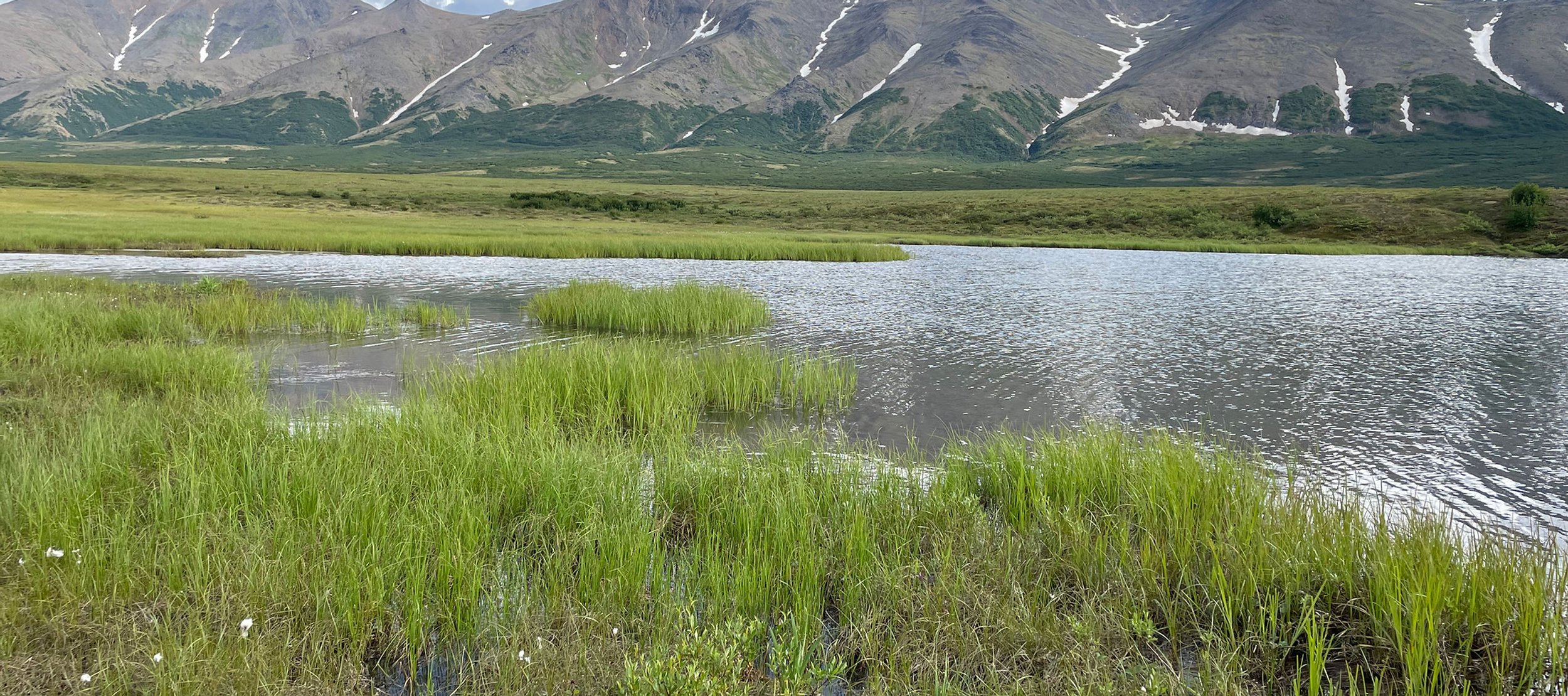
40 air miles north of Nome, Alaska, the remote, roadless Imuruk Basin watershed, consisting of more wetlands than not, provides vital habitat for salmon, trout, moose, reindeer, and caribou. Fanning out from the northern base of the Kigluaik Mountains, which Natives in the region hold sacred, the watershed is critical to the subsistence needs of the Inupiaq and Yup’ik people, including the tribal villages of Mary’s Igloo, Teller, and Brevig Mission (Tribes).
The watershed also holds the largest known graphite deposit in North America and is the proposed site of the Graphite One mine. With an excavation footprint of over 1,176 acres, a proposed 17.3-mile-long access road built through Mosquito Pass requiring numerous stream crossings, and an existing man-camp to support the exploration phase, the mine plans to extract 10,000 tons of material per day, with an annual output of 175,000 tons of graphite per year
Check out the “Our Work” page to see how NBWC is assisting the Tribes to protect on of the most biologically productive and cultural areas in Alaska and what you can do to help!
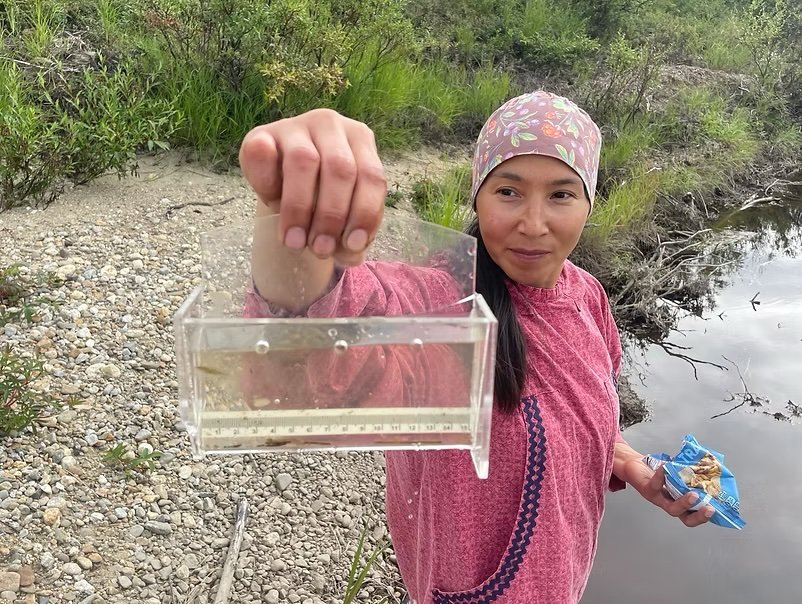
Graphite Creek holding a minnow trap
(Photo Credit: Hal Shepherd)
“This watershed council gives balance to scientific and traditional data that ensures the health of our rivers.
Our watershed council is extremely important to the region.”
Emily Murray, Vice President Norton Bay Watershed Council
Monitoring and Research
The Watershed Council
conducts instream flow &
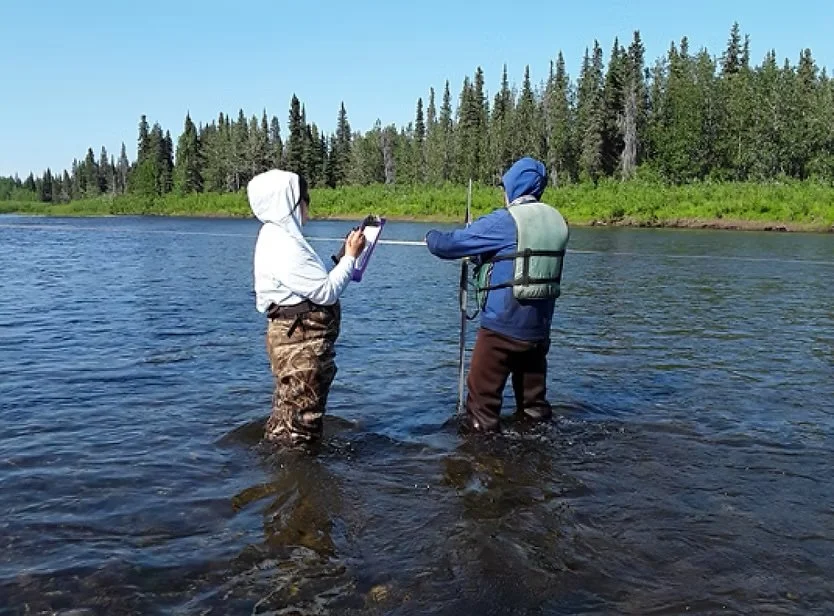
water quality research and
data collection to study the impacts of climate change and resource extraction activities on aquatic habitat for the benefit of Tribal Communities in Northwestern Alaska.
What the Norton Bay Watershed Council Do?
Restoration and Planning
The Council develops and implements watershed restoration projects and collaborates with local tribal communities to create
effective water resource management strategies.
Education and Advocacy
The Council provides
education and outreach to increase awareness about the importance of protecting water resources, and advocates for the protection of the Norton Bay watershed at the local, state, and federal levels.
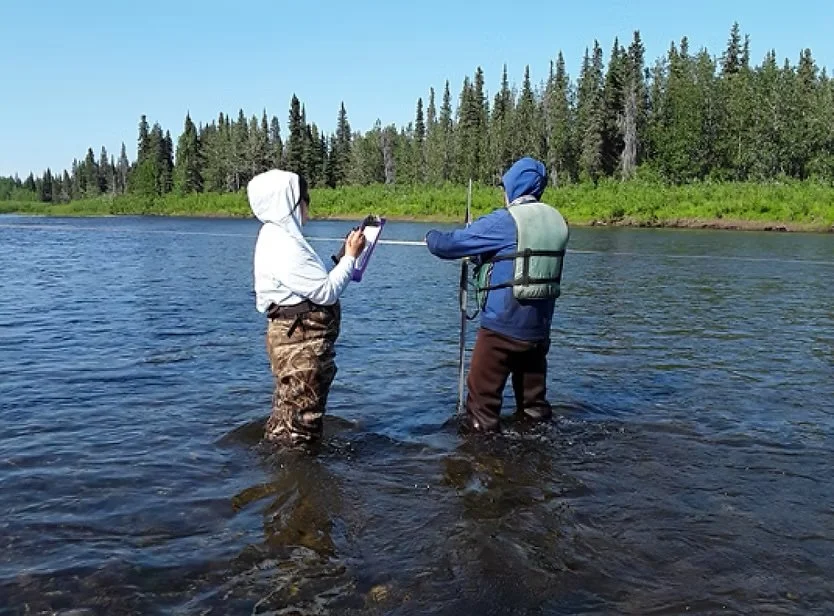
Water quality research at Tubutulik river
(Photo Credit: Ken Takak)
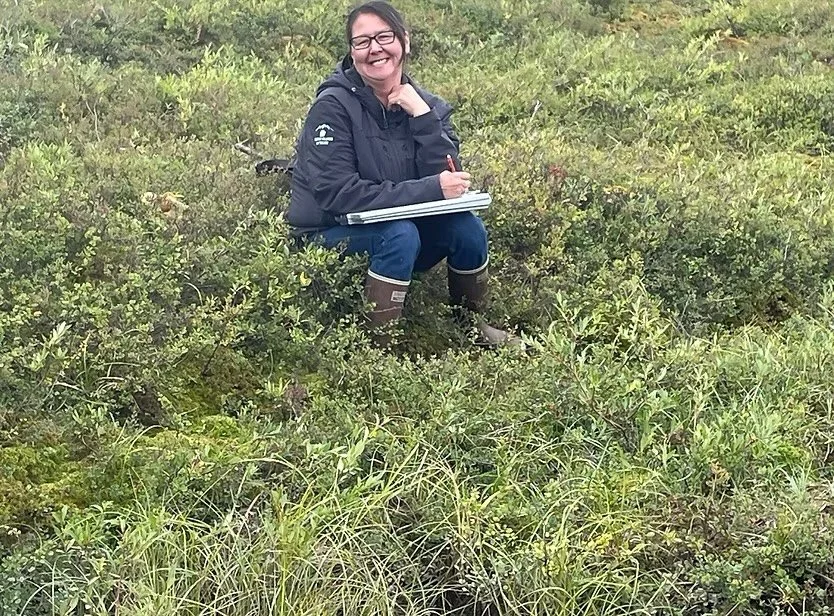
Glacier Canyon Creek
(Photo Credit: Hal Sheperd)
Support us to protect our
water resources
Local traditional knowledge is critical to protecting our water resources.
Your support is vital to the council's efforts to monitor, restore, and advocate for water rights in the Norton Bay watershed. Your donation would go to assist the watershed council to monitor the health of our rivers and the protection of subsistence and traditional resources.